Cooking Techniques
Asian cuisine is renowned for its diverse and intricate cooking techniques that elevate simple ingredients into flavorful masterpieces. From the fiery stir-fries of Chinese cuisine to the delicate steaming methods of Japanese cooking, each technique has its unique approach to enhancing the natural flavors and textures of ingredients. This blog delves into the traditional Asian cooking techniques that make this cuisine so distinct and beloved worldwide.
Stir-Frying: Quick and Flavorful
Stir-frying is a cornerstone of Chinese cooking, known for its ability to produce quick, flavorful dishes with a satisfying crunch. This method involves cooking ingredients at high heat in a wok with a small amount of oil, often stirring continuously to ensure even cooking. The high heat sears the ingredients, locking in their natural juices while imparting a smoky flavor known as "wok hei" or "breath of the wok."
Classic stir-fry dishes like Kung Pao Chicken and Beef with Broccoli showcase the versatility of this technique. The rapid cooking process preserves the vibrant colors and crisp textures of vegetables while evenly cooking proteins. The key to successful stir-frying lies in preparation—ingredients should be uniformly cut and ready to go before cooking begins, ensuring a seamless and efficient process.
Steaming: Gentle and Nutritious
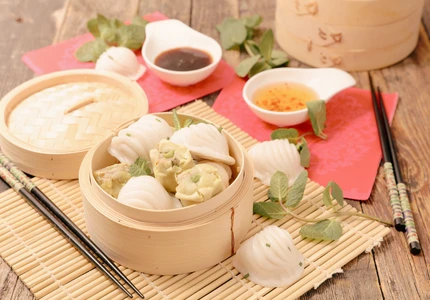
Steaming is a gentle cooking technique prevalent in many Asian cuisines, particularly in Chinese and Japanese cooking. This method involves cooking food using the steam generated by boiling water, which allows ingredients to retain their natural flavors, nutrients, and moisture. Steaming is ideal for delicate foods like fish, dumplings, and vegetables, resulting in tender and juicy dishes without the need for added fats.
In Chinese cuisine, dim sum, a collection of small steamed dishes, is a prime example of the versatility of steaming. Items like har gow (shrimp dumplings) and siu mai (pork dumplings) are delicately wrapped and steamed to perfection, offering a light and flavorful dining experience. In Japanese cuisine, chawanmushi (savory egg custard) is a popular steamed dish, known for its silky texture and subtle flavors.
Grilling: Smoky and Robust
Grilling is a popular cooking method across various Asian cuisines, imparting a smoky, robust flavor to meats and vegetables. In Japanese cuisine, yakitori (grilled chicken skewers) are a staple, often seasoned with a savory-sweet tare sauce or simply salted to enhance the natural flavors of the meat. The small, evenly cut pieces ensure quick and even grilling, resulting in tender and juicy skewers.
Korean BBQ, or Gogigui, is another beloved grilling tradition where diners cook their own meat at the table on a built-in grill. Marinated cuts of beef, pork, and chicken are grilled to perfection, accompanied by a variety of banchan (side dishes) that enhance the dining experience. The communal aspect of Korean BBQ makes it a social and interactive way to enjoy a meal.
Braising: Deep and Flavorful
Braising is a slow-cooking technique that involves simmering ingredients in a flavorful liquid over low heat for an extended period. This method is widely used in Chinese cuisine to create rich, savory dishes that are deeply infused with flavor. Red-braised pork belly, or Hong Shao Rou, is a classic example, featuring succulent pork belly slowly cooked in a soy-based sauce until it becomes melt-in-your-mouth tender.
In Vietnamese cuisine, thit kho to (caramelized braised pork) is a popular dish that showcases the braising technique. Pork is simmered in a caramel sauce with coconut water, garlic, and fish sauce, resulting in a dish that is both sweet and savory. The slow cooking process allows the flavors to meld together, creating a complex and satisfying meal.
Fermenting: Complex and Tangy
Fermentation is a traditional technique used across many Asian cultures to preserve food and enhance its flavors. This method relies on the natural process of microorganisms breaking down sugars and starches, producing complex and tangy flavors. In Korean cuisine, kimchi is a quintessential fermented dish made from cabbage, radishes, and a variety of seasonings. The fermentation process not only adds a unique tangy flavor but also provides beneficial probiotics.
In Japanese cuisine, miso, a fermented soybean paste, is a fundamental ingredient used in soups, marinades, and sauces. The fermentation process can take months to years, resulting in a paste that is rich in umami and deeply flavorful. Fermented foods like miso and kimchi are prized for their health benefits as well as their distinctive taste.
Pickling: Crisp and Tangy
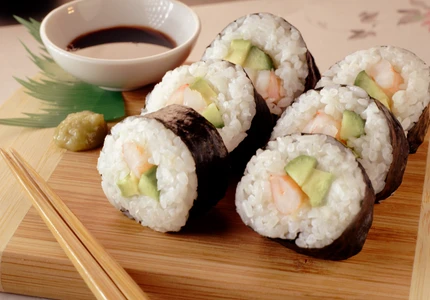
Pickling is another preservation method that involves soaking ingredients in a brine or vinegar solution, resulting in crisp and tangy flavors. In Japanese cuisine, tsukemono (pickled vegetables) are a common accompaniment to meals, providing a refreshing contrast to rich and savory dishes. Pickled ginger, or gari, is often served with sushi to cleanse the palate between bites.
In Vietnamese cuisine, pickled daikon and carrots are essential components of banh mi sandwiches, adding a crunchy and tangy element that balances the savory fillings. The pickling process is simple and quick, making it an accessible way to enhance the flavors of various dishes.
Blanching: Quick and Bright
Blanching is a quick cooking technique that involves briefly boiling ingredients before immediately plunging them into ice water to halt the cooking process. This method is commonly used in Chinese cuisine to prepare vegetables, preserving their bright colors and crisp textures. Blanched vegetables are often served with a light sauce or as part of a stir-fry, providing a fresh and vibrant element to the dish.
In Thai cuisine, blanching is used to prepare ingredients for dishes like som tam (green papaya salad), where the quick cooking method ensures that the vegetables remain crisp and retain their natural flavors. Blanching is also used to prepare seafood, ensuring that it is tender and cooked just right without becoming overcooked.
Conclusion: The Art of Asian Cooking Techniques
Traditional Asian cooking techniques are a testament to the culinary artistry and ingenuity found across the continent. Each method, whether it's the quick and flavorful stir-frying or the gentle and nutritious steaming, is designed to bring out the best in each ingredient. By understanding and appreciating these techniques, we can gain a deeper insight into the rich and diverse flavors that make Asian cuisine so special.
Exploring these cooking methods not only enhances our culinary skills but also allows us to connect with the cultural heritage and traditions behind each dish. Whether you're recreating the smoky flavors of Korean BBQ at home or perfecting the art of sushi, embracing these traditional techniques will elevate your cooking and deepen your appreciation for the rich tapestry of Asian cuisine.