Cultural Delights
Asian cuisine is not just about the food; it's a tapestry woven with history, culture, and tradition. Each dish tells a story, each ingredient holds significance, and each dining tradition offers a glimpse into the rich cultural heritage of the region.
From the intricate preparation of sushi in Japan to the communal feasts of Chinese dim sum, exploring Asian culinary traditions is a journey through time and culture. This blog delves into the cultural significance and history behind some of the most beloved Asian dishes and dining traditions.
Japanese Sushi: Artistry and Precision
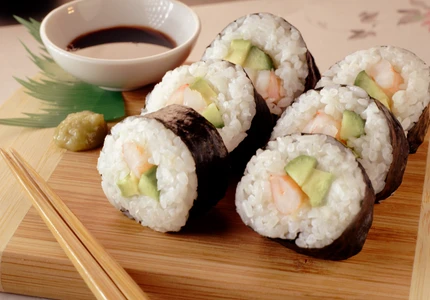
Sushi is more than just a dish in Japan; it's a culinary art form that requires years of training and dedication to master. The origins of sushi date back to the 8th century in Southeast Asia, where fish was fermented with rice to preserve it. This method evolved over time, and by the Edo period (1603-1868), sushi had transformed into the form we recognize today—fresh fish served over vinegared rice.
The preparation of sushi is a meticulous process that highlights the Japanese values of precision, respect for ingredients, and aesthetic beauty. Sushi chefs, or itamae, undergo extensive training to perfect their skills, learning not only how to slice fish with precision but also how to present it in an aesthetically pleasing manner. The experience of eating sushi in Japan is a ceremonial one, where diners appreciate the artistry and craftsmanship behind each piece.
Chinese Dim Sum: A Culinary Feast
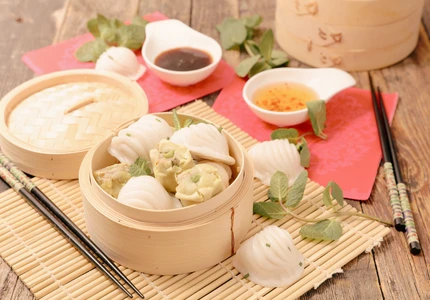
Dim sum, which translates to "touch the heart," is a style of Chinese cuisine that involves a variety of small, flavorful dishes served in steamer baskets or on small plates. Originating in the Cantonese region, dim sum has become a beloved tradition throughout China and around the world. It is typically enjoyed during brunch, accompanied by tea, in a dining experience known as yum cha.
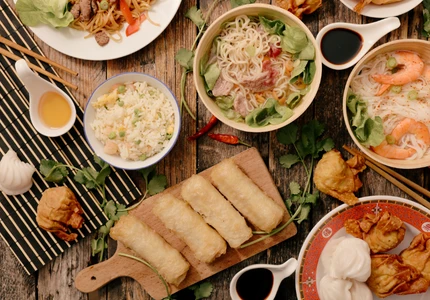
The cultural significance of dim sum lies in its communal nature. Traditionally, families and friends gather at large round tables to share an assortment of dishes, from dumplings and buns to rolls and cakes. This style of dining fosters a sense of togetherness and community, reflecting the Chinese cultural value of family and social harmony. The variety of dishes also symbolizes abundance and prosperity, making dim sum a popular choice for celebrations and gatherings.
Indian Curry: A Spice Symphony
Curry is a cornerstone of Indian cuisine, known for its rich, complex flavors and aromatic spices. The history of curry dates back over 4,000 years, with roots in the Indus Valley Civilization. The term "curry" is derived from the Tamil word "kari," which means sauce or gravy. Indian curry varies greatly by region, with each area having its unique blend of spices and ingredients.
The cultural significance of curry in India is profound, as it embodies the diversity and richness of Indian culture. Spices are not only used for their flavors but also for their medicinal properties, reflecting the Ayurvedic principles that underpin Indian cooking. Curry is often prepared with great care and shared with family and friends, symbolizing hospitality and warmth. Popular dishes like butter chicken, biryani, and masala dosa showcase the versatility and depth of Indian curry.
Thai Tom Yum: A Harmonious Balance
Tom Yum is a traditional Thai soup known for its hot and sour flavors, created by a harmonious balance of ingredients such as lemongrass, kaffir lime leaves, galangal, chili peppers, and fish sauce. This dish encapsulates the Thai culinary philosophy of balancing sweet, sour, salty, and spicy flavors to create a complex and satisfying meal.
The history of Tom Yum dates back centuries and is deeply rooted in Thai culture. It is often served as part of a larger meal, where multiple dishes are shared among diners. This communal dining style reflects the Thai values of generosity and family. Tom Yum is also believed to have health benefits due to its use of medicinal herbs and spices, highlighting the Thai approach to food as a source of nourishment and well-being.
Korean Kimchi: Fermented Tradition
Kimchi is a staple in Korean cuisine, known for its bold flavors and health benefits. This fermented vegetable dish, typically made with cabbage and radishes, is seasoned with chili pepper, garlic, ginger, and fish sauce. The history of kimchi dates back to ancient Korea, with early versions mentioned in texts from over 2,000 years ago.
The cultural significance of kimchi extends beyond its culinary value. It is a symbol of Korean identity and resilience, with each family often having its unique recipe passed down through generations. The process of making kimchi, known as kimjang, is a communal activity where families and communities come together to prepare large quantities for the winter months. This tradition fosters a sense of community and continuity, emphasizing the importance of heritage and togetherness in Korean culture.
Vietnamese Pho: A Bowl of Comfort
Pho is a Vietnamese noodle soup that has become an iconic dish representing Vietnamese cuisine. It consists of broth, rice noodles, herbs, and meat, usually beef or chicken. The history of pho is relatively recent, dating back to the early 20th century in northern Vietnam. It has since become a beloved comfort food throughout the country and internationally.
Pho's cultural significance lies in its role as a unifying dish that transcends social and economic boundaries. It is enjoyed by people from all walks of life, from street vendors to high-end restaurants. The preparation of pho is a labor of love, with the broth simmered for hours to develop its rich, deep flavors. Pho is often eaten for breakfast, providing a nourishing and comforting start to the day, and it symbolizes the warmth and hospitality of Vietnamese culture.
Malaysian Nasi Lemak: A National Treasure
Nasi Lemak is considered the national dish of Malaysia, known for its rich, coconut-infused rice served with a variety of accompaniments such as sambal (spicy chili paste), fried anchovies, boiled eggs, peanuts, and cucumber. The origins of Nasi Lemak date back to Malay farmers who needed a hearty and nutritious meal to sustain them throughout the day.
Nasi Lemak holds a special place in Malaysian culture, representing the country's diverse culinary heritage. It is a dish that brings together different ethnic groups and culinary influences, reflecting Malaysia's multicultural society. Nasi Lemak is enjoyed at any time of day, from breakfast to dinner, and is often served at communal gatherings and celebrations, embodying the spirit of togetherness and unity.
Conclusion: The Cultural Richness of Asian Cuisine
Asian cuisine is a treasure trove of cultural delights, each dish and dining tradition offering a window into the rich history and values of the region. Whether it's the meticulous artistry of Japanese sushi, the communal feasts of Chinese dim sum, or the harmonious balance of Thai Tom Yum, these culinary traditions are deeply intertwined with the cultural fabric of their respective countries.
By exploring the significance and history behind these beloved dishes, we not only gain a deeper appreciation for the flavors and techniques that define Asian cuisine but also connect with the stories and traditions that have shaped these culinary masterpieces. Embracing these cultural delights allows us to celebrate the diversity and richness of Asian culture, one delicious bite at a time.