Flavor Journey
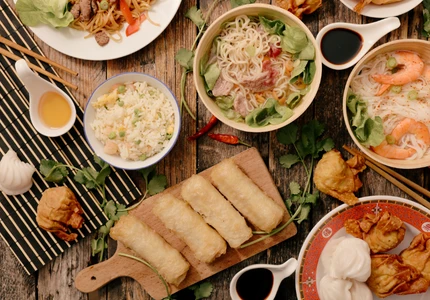
Asian cuisine is a vast and vibrant tapestry of flavors, ingredients, and cooking techniques, each offering a unique experience for the palate. From the fiery spices of Thai food to the delicate balance of Japanese sushi, Asian cuisine encompasses a wide range of tastes that cater to every preference.
This blog takes you on a flavor journey, exploring the diverse culinary landscapes of Asia and highlighting the key components that make each cuisine distinctive.
The Essence of Asian Cuisine
At the heart of Asian cuisine lies a profound respect for natural ingredients and a commitment to balancing flavors. Whether it’s the umami of soy sauce, the tanginess of tamarind, or the heat of chili peppers, Asian dishes are crafted to create a harmonious blend of tastes and textures. This intricate balancing act is what sets Asian cuisine apart and makes it so beloved around the world.
Thai Cuisine: A Symphony of Flavors
Thai food is renowned for its bold and complex flavors, which combine sweet, sour, salty, and spicy elements in perfect harmony. Signature dishes like Pad Thai and Tom Yum soup exemplify this balance. Pad Thai, a stir-fried noodle dish, often includes tamarind paste for tanginess, palm sugar for sweetness, fish sauce for saltiness, and chili flakes for heat, all topped with crunchy peanuts and fresh lime. Tom Yum, on the other hand, is a hot and sour soup infused with lemongrass, kaffir lime leaves, galangal, and fiery chili peppers, offering a fragrant and spicy kick.
The use of fresh herbs and spices is paramount in Thai cooking. Ingredients like cilantro, basil, and mint provide a refreshing contrast to the heat, while coconut milk is frequently used to add creaminess and mellow out spicy dishes. The result is a cuisine that is vibrant, aromatic, and incredibly satisfying.
Japanese Cuisine: Precision and Purity
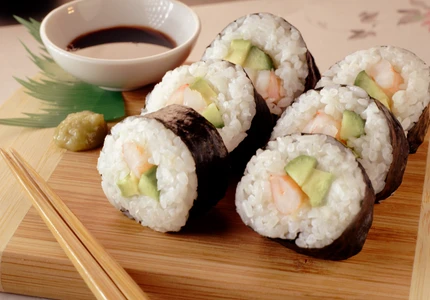
Japanese cuisine, or Washoku, is characterized by its emphasis on seasonal ingredients, presentation, and subtle flavors. Sushi, perhaps the most well-known Japanese dish, showcases the purity and precision of Japanese cooking. Each piece of sushi is a delicate balance of vinegared rice, fresh seafood, and minimal seasoning, allowing the natural flavors of the ingredients to shine.
In addition to sushi, Japanese cuisine features a variety of dishes that highlight simplicity and elegance. Tempura, lightly battered and fried seafood or vegetables, offers a crispy texture and a light flavor. Ramen, a noodle soup dish, combines a rich broth with noodles, meats, and vegetables, creating a comforting and hearty meal. The meticulous attention to detail in Japanese cooking ensures that each dish is a work of art, both visually and gastronomically.
Chinese Cuisine: Regional Diversity and Bold Tastes
China's vast geographical expanse contributes to the incredible diversity found in its cuisine. From the fiery dishes of Sichuan province to the delicate flavors of Cantonese cuisine, Chinese food offers something for every palate. Sichuan cuisine, known for its bold and spicy flavors, utilizes ingredients like Sichuan peppercorns, chili peppers, and garlic to create dishes that are both numbing and hot. Popular dishes include Mapo Tofu and Kung Pao Chicken, which are richly flavored and packed with heat.
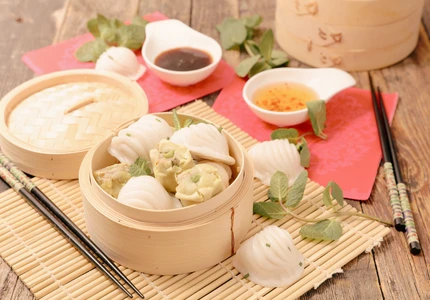
In contrast, Cantonese cuisine focuses on fresh, high-quality ingredients and simple, light seasonings. Dim sum, a collection of small dishes such as dumplings, buns, and rolls, is a staple of Cantonese cuisine, often enjoyed during brunch. The subtle use of sauces and spices allows the natural flavors of the ingredients to be the star, creating a delicate and refined dining experience.
Korean Cuisine: Fermentation and Spice
Korean cuisine is renowned for its use of fermentation and bold, spicy flavors. Kimchi, a fermented vegetable dish, is a staple in Korean households and adds a tangy, spicy kick to any meal. Bibimbap, a mixed rice dish topped with vegetables, meat, and a fried egg, is often served with gochujang, a red chili paste that adds depth and heat to the dish.
Korean BBQ, or Gogigui, is another beloved aspect of Korean cuisine, where diners grill their own meat at the table, accompanied by a variety of banchan (side dishes) such as pickled vegetables, seasoned seaweed, and soybean sprouts. The communal nature of Korean BBQ and the interactive dining experience make it a fun and social way to enjoy a meal.
Indian Cuisine: A Spice Wonderland
Indian cuisine is a celebration of spices and flavors, with each region offering its unique take on classic dishes. From the rich, creamy curries of the North to the coconut-based dishes of the South, Indian food is incredibly diverse and flavorful. Garam masala, turmeric, cumin, and coriander are just a few of the spices that form the backbone of Indian cooking, creating aromatic and flavorful dishes.
Tandoori chicken, cooked in a clay oven called a tandoor, is marinated in a blend of yogurt and spices, giving it a smoky flavor and vibrant red color. Another beloved dish, Biryani, is a fragrant rice dish cooked with marinated meat, spices, and herbs, offering a symphony of flavors in every bite. Vegetarian dishes also play a significant role in Indian cuisine, with classics like Palak Paneer (spinach and cheese) and Chana Masala (spiced chickpeas) showcasing the versatility of plant-based ingredients.
Vietnamese Cuisine: Fresh and Flavorful
Vietnamese cuisine is characterized by its use of fresh herbs, vibrant vegetables, and balanced flavors. Pho, a popular noodle soup, combines a savory broth with rice noodles, fresh herbs, and slices of meat, creating a comforting and aromatic dish. The broth is often simmered for hours with spices such as star anise, cloves, and cinnamon, resulting in a rich and complex flavor.
Banh Mi, a Vietnamese sandwich, reflects the country’s French colonial influence. It features a crispy baguette filled with various ingredients like pickled vegetables, cilantro, pate, and a choice of meats or tofu, offering a delightful contrast of textures and flavors. The emphasis on fresh ingredients and minimal use of oil makes Vietnamese cuisine both healthy and delicious.
Malaysian Cuisine: A Melting Pot of Flavors
Malaysian cuisine is a true melting pot, influenced by Malay, Chinese, Indian, and indigenous traditions. Nasi Lemak, often considered the national dish, consists of rice cooked in coconut milk, served with sambal (a spicy chili paste), fried anchovies, boiled eggs, and peanuts. This dish encapsulates the rich and diverse flavors of Malaysia, offering a balance of spicy, savory, and creamy elements.
Laksa, a spicy noodle soup, is another beloved Malaysian dish. It features a coconut milk or tamarind-based broth, rice noodles, and a variety of toppings such as shrimp, chicken, and tofu. The combination of spicy, sour, and creamy flavors makes Laksa a uniquely satisfying dish that highlights the complexity of Malaysian cuisine.
Indonesian Cuisine: A Blend of Sweet and Spicy
Indonesian cuisine is known for its bold and flavorful dishes, often combining sweet and spicy elements. Rendang, a slow-cooked beef stew, is rich and tender, cooked with coconut milk and a blend of spices such as lemongrass, ginger, and turmeric. This dish is typically served during festive occasions and is a true testament to the depth of Indonesian flavors.
Satay, skewered and grilled meat served with a peanut sauce, is another iconic Indonesian dish. The combination of smoky, grilled meat and the creamy, slightly sweet peanut sauce creates a delicious and addictive flavor. Indonesian cuisine often incorporates a variety of sambals (chili pastes) to add heat and depth to the dishes, making it a vibrant and exciting culinary experience.
Conclusion: A World of Flavors
Exploring Asian cuisine is like embarking on a culinary adventure, with each region offering its unique flavors, ingredients, and cooking techniques. From the fiery spices of Thai food to the delicate balance of Japanese cuisine, and from the bold tastes of Chinese dishes to the fresh and vibrant flavors of Vietnamese food, there is something to delight every palate.
The rich diversity and intricate balance of flavors in Asian cuisine reflect a deep respect for natural ingredients and culinary traditions. Whether you’re enjoying a comforting bowl of Pho, savoring the complex spices of Indian curry, or indulging in the smoky sweetness of Indonesian Satay, each bite is a journey through the rich and diverse culinary landscapes of Asia.
As you explore these flavors, you not only satisfy your taste buds but also gain a deeper appreciation for the cultural significance and artistry behind each dish. So, embark on this flavor journey and discover the endless possibilities and delights that Asian cuisine has to offer.